I was having a conversation on-line today about workshops. I was extolling their virtues for improving your photography, and the other person wasn’t buying it. They said that because of the instant feedback that modern digital cameras provide, you could be your own teacher at least as effectively as learning from someone else. We debated,… [Read More]
Your photograph looks like a painting?
Almost every time I have an exhibition, people take me aside and tell me how much one or more images look like paintings. From their tone of voice, they consider that to be a compliment. In the past, I’ve asked them why that thought that, and not received answers that I could truly understand. Now,… [Read More]
Hasselblad XCD 55V on X2D: focus shift
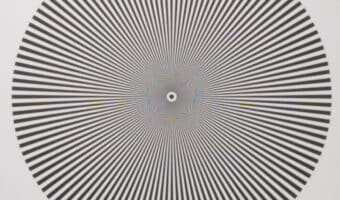
LensRentals has loaned me a Hasselblad XCD 55mm f/2.5 V lens for testing. There have been reports of extreme amounts of focus shift in V-series lenses. Focus shift is usually caused by undercorrected or overcorrected spherical aberration. I haven’t seen that myself, so I took a look today. I have a test I used to… [Read More]
Godox Lux Senior
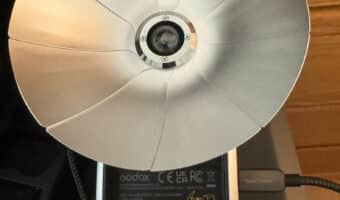
I have recently been called upon to make a series of informal portraits and small group images. I try to use mostly available light, but I’ve found that a bit of on-camera or nearly-on-camera flash fills the shadows in eye sockets and makes for a more pleasing image with a heck of a lot less… [Read More]
Backup, revisited
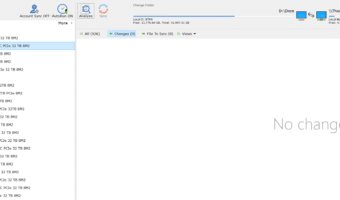
Many years ago, I wrote an article on backing up photographic images. Quite a few bytes have flowed under the figurative bridge since then, and the original article is sufficiently obsolete as to be nearly useless. So, I’m going to take another crack at it, with liberal self- plagiarization from the original article. In chemical… [Read More]
- 1
- 2
- 3
- …
- 378
- Next Page »